
About the Webinar
Before partnering with Eagle Telemedicine, a 300-bed acute care hospital relied on community neurologists who were often offsite, making stroke decisions with second-hand information. Today, an Eagle neurologist is on screen in real time with the bedside team, and the hospital has outperformed national stroke treatment standards for more than two years.
In this on-demand Becker’s Hospital Review webinar, Eagle’s Chief Medical Officer and Clinical Director join the hospital’s Stroke Program Manager to share how the program was built and what it delivered.
About the Hospital
The partner hospital is a 300-bed acute care hospital. Delivering timely stroke care locally, without transferring patients, is a priority for the hospital and the community it serves.
The Challenge
Neurology Expertise Wasn’t at the Bedside
- Community neurologists were often offsite when a stroke alert fired
- Treatment decisions relied on second-hand information
- Delays put patients at risk of preventable transfers, costing the hospital beds and revenue
- During a stroke, an estimated 1.9 million brain cells are lost every minute
The Solution
A Physician-Led TeleStroke Program
When a stroke alert fires, an Eagle neurologist joins by video and evaluates the patient alongside the in-person team. The same physicians staff the program over time, and they work inside the hospital’s own EHR and workflows.
The hospital didn’t replace staff, rework its workflows or add new technology. Watch the webinar to hear how the team made it work.
The Results
For more than two years, the hospital’s TeleStroke program has outperformed national stroke treatment standards.
- 3-minute median connection time from stroke alert (5-minute average)
- 98% of thrombolytics delivered within 60 minutes
- 89% of thrombolytics delivered within 45 minutes
- 14% above the hospital’s thrombolytic treatment goals
What You’ll Learn
- How physician-led video evaluation fits into an existing code stroke workflow
- Why consistent coverage, not technology, helps TeleNeurologists integrate into the care team
- How avoided transfers preserve beds, revenue and treatment capacity
- What a partner needs to get started, including Joint Commission accreditation and EHR integration on day one
Meet the Speakers
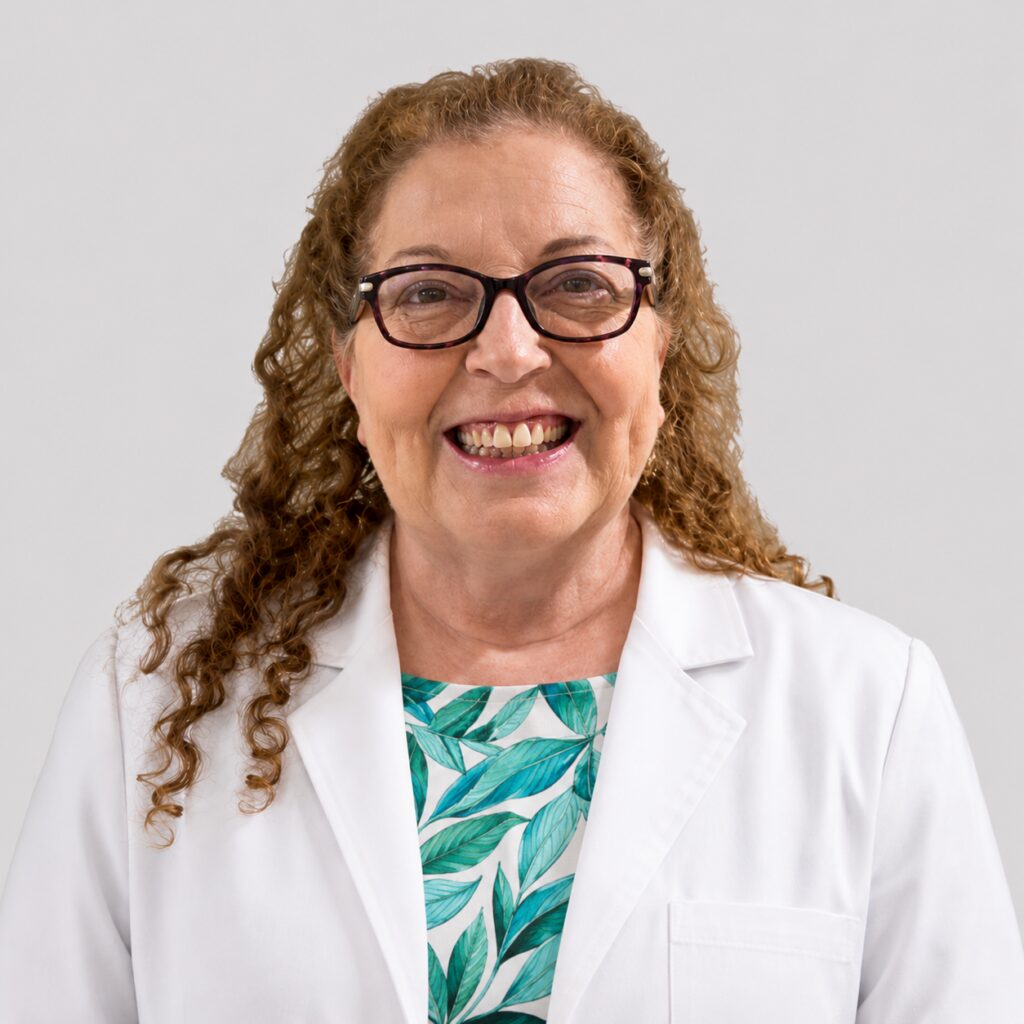
Joanne Lapetina, MD
Chief Medical Officer, Eagle Telemedicine
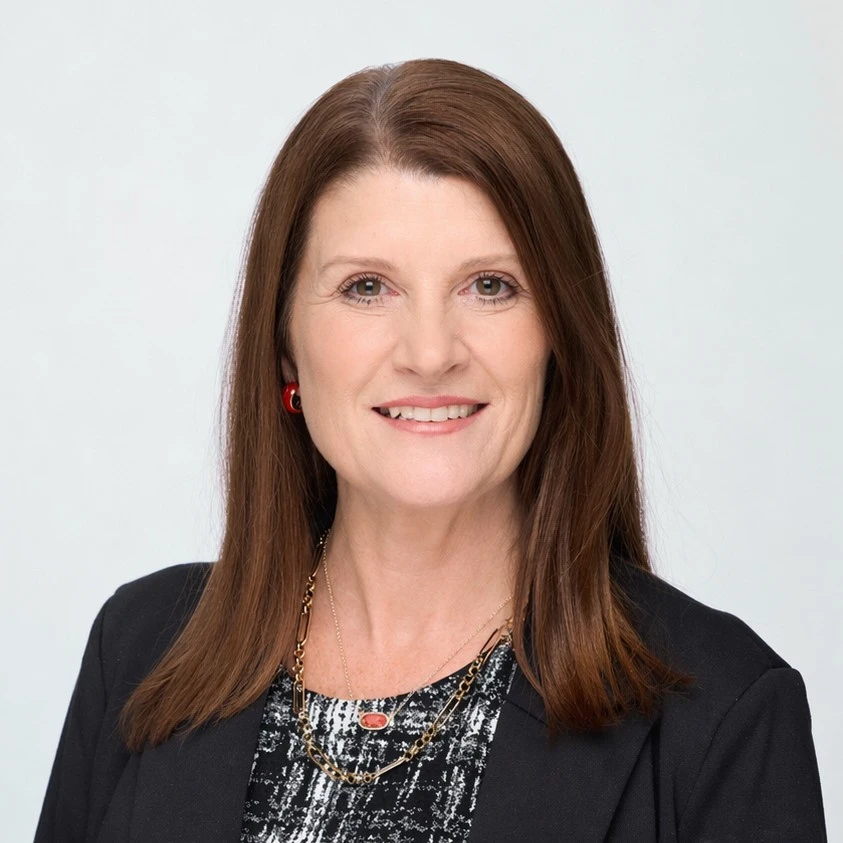
Robin Baker, BSN, RN, SCRN
Clinical Director, Neurology & Stroke Programs, Eagle Telemedicine
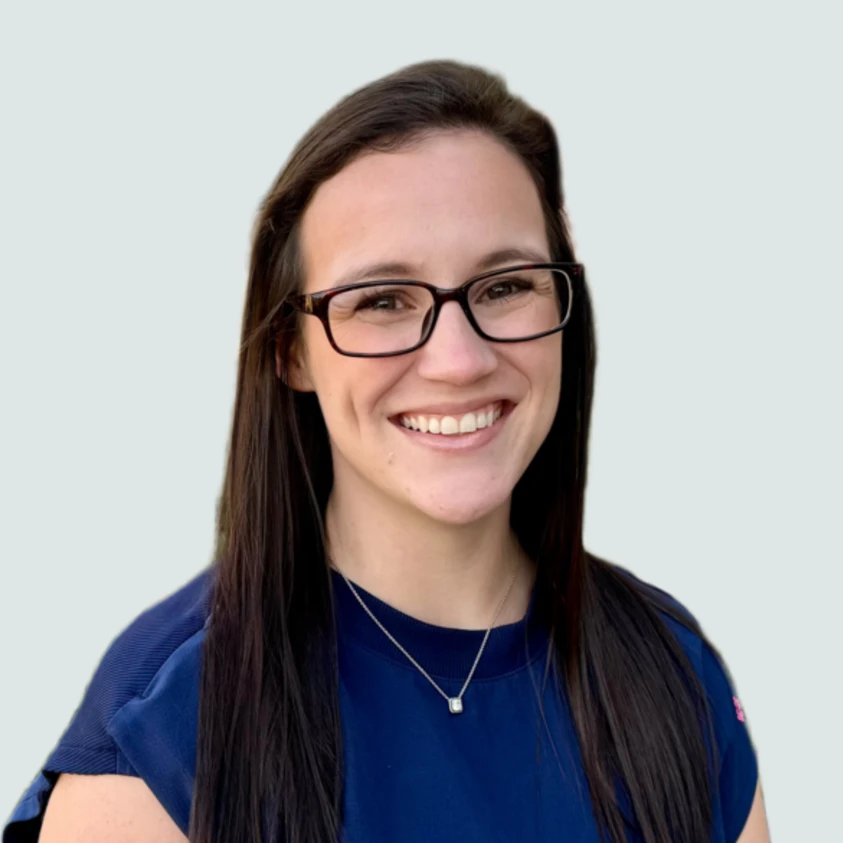
Robin Baker, BSN, RN, SCRN
Stroke Program Manager, partner hospital
Access On-Demand Webinar
From the Partner Hospital

— MEAGAN RHAMES, BSN, RN, STROKE PROGRAM MANAGER, PARTNER HOSPITAL
Frequently Asked Questions
How can a hospital reduce stroke transfers without hiring more neurologists?
A physician-led TeleStroke program puts a neurologist at the bedside by video, so more patients can be treated locally. In the webinar, one 300-bed hospital’s stroke team shares how it kept patients, beds and revenue in the community.
How did a 300-bed hospital beat national door-to-needle standards?
It delivered 98% of thrombolytics within 60 minutes and exceeded its own treatment goals by 14%. The program leads walk through what changed in the webinar.
How does TeleStroke fit into an existing code stroke workflow?
Without replacing staff or adding new technology. The partner hospital’s Stroke Program Manager explains how the team made it work in the webinar.
Why does consistent TeleNeurology coverage matter more than the technology?
Consistency builds trust between the TeleNeurologist and the bedside team. Eagle’s CMO and Clinical Director explain why it matters for outcomes.
What does it take to launch a TeleStroke program with Eagle?
Eagle builds each program around how the hospital already works, starting with EHR integration on day one. The webinar covers what partners need to have in place.
Who presents the webinar?
Joanne Lapetina, MD, Chief Medical Officer at Eagle Telemedicine; Robin Baker, BSN, RN, SCRN, Clinical Director of Neurology & Stroke Programs at Eagle; and Meagan Rhames, BSN, RN, Stroke Program Manager at the partner hospital.